ID
Story Categories
Authored on
250 years of independence calls for celebration, conversation
Published on:
Intro text

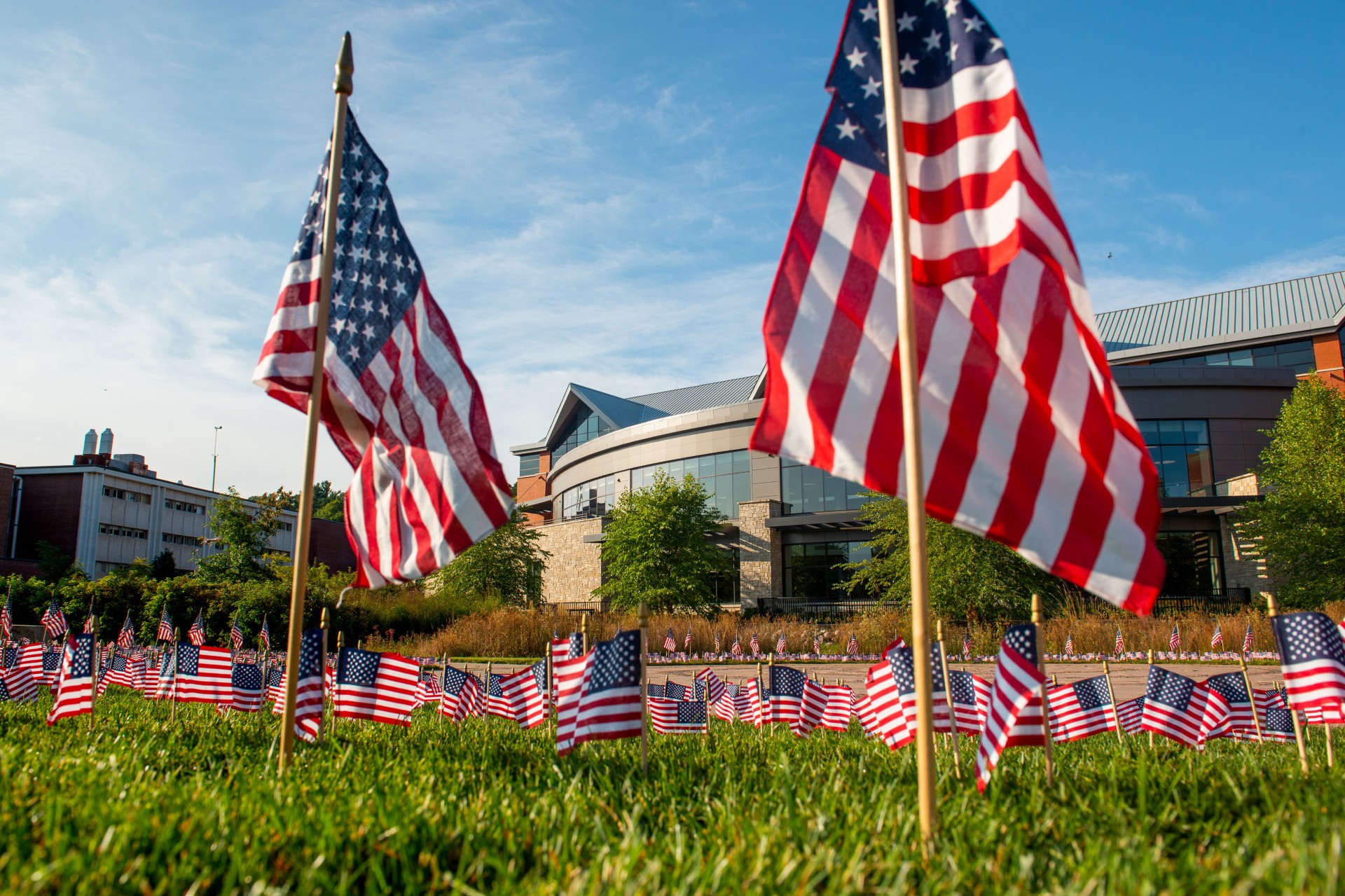
This July 4, millions of Americans will celebrate the 250th anniversary of the signing of the Declaration of Independence with family, food and fireworks. The journey to such a historic milestone offers an opportunity to pause and reflect on the nation’s past, consider its future and honor the contributions of its citizens.

Sections

Dr. Eric Kasper, professor of political science and director of the Menard Center for Constitutional Studies at the University of Wisconsin-Eau Claire, says the historical context of the semiquincentennial starts with the Declaration of Independence, a groundbreaking document.

“It proclaimed an important principle of political theory, that all persons possess unalienable rights, including, life, liberty and the pursuit of happiness,” Kasper says. “The Declaration asserted that it is the duty of government to protect these rights, and when government fails to do this, the people have the right to alter or abolish it.”

Eric Kasper portrait
Dr. Eric Kasper, professor of political science and director of the Menard Center for Constitutional Studies

Kasper says the broader promise of liberty and the pursuit of happiness can be observed throughout the Constitution’s first 10 amendments, better known as the Bill of Rights. Among the protections granted are the freedom of religion, the freedom of speech, the right against unreasonable searches and seizures, the right to a jury trial and the right against cruel and unusual punishment. Further amendments following the Civil War, including the abolishment of slavery and the banning of racial discrimination in voting, completed unfinished work from the founding of the Declaration of Independence and the Constitution.

Philip Rechek, program coordinator for the Menard Center for Constitutional Studies, says the American story is one of both achievement and continual self-examination.

“As we commemorate this anniversary, I think it is important to celebrate the remarkable durability of American constitutional government while also recognizing that each generation has had to wrestle with questions about liberty, equality, citizenship and justice,” Rechek says.

Philip Rechek
Philip Rechek, program coordinator for the Menard Center for Constitutional Studies

The Menard Center is commemorating America’s semiquincentennial with three days of conversation this month during its annual teachers symposium in Eau Claire. The opening night event is a special screening and discussion of “Liberty at Stake: The Joshua Glover Story” at Pablo Center at the Confluence on July 29.

The mini documentary examines the story of Joshua Glover, whose 1854 arrest in Racine under the Fugitive Slave Act sparked a major constitutional and political conflict in Wisconsin and helped shape national debates over slavery, liberty and federal authority in the years leading up to the Civil War.

Following the screening, a panel of filmmaker Michael Jahr and guest scholars Robert Baker and Diana Schaub will discuss the documentary and its connection to the symposium’s broader themes of the Civil War, the Reconstruction era that followed the conflict and the American experiment.

“We hope attendees will gain a greater appreciation for not only the history of the Civil War Amendments, but also the importance of every generation taking an active interest in public affairs,” Kasper says.

“The story is particularly valuable because it demonstrates how national constitutional debates often played out in local communities,” Rechek says. “For Wisconsin residents, it is a reminder that our state was not merely an observer of history but an active participant in some of the most important constitutional and moral conflicts leading up to the Civil War.”

Jahr says he produced the film after learning Glover’s rescue was a catalyst for larger national events. He believes showcasing it in Eau Claire will help the story reach more young people.

“In addition to having a documentary, we want to produce an accompanying curriculum that can be used in high school and university classrooms,” Jahr says. “We just don't hear a lot of good stories about Blacks and whites and native-born Americans and immigrants, men and women coming together to basically ensure and secure the liberty of one of their neighbors. And that's the story of Joshua Glover. Thousands of people turned out on a cold March day to make sure that this man that most of them had never met would not return to bondage.”

Michael Jahr headshot
Michael Jahr, director and producer of “Liberty at Stake: The Joshua Glover Story.”

The screening is free and open to the public, but tickets are required. The nonprofit Liberty at Stake Productions has partnered with the Menard Center and the Chippewa Valley Museum to provide this meaningful opportunity to engage with history.

Rechek says one of the most rewarding aspects of his work is helping students connect historical events to contemporary questions about citizenship, constitutional government and civic responsibility. He feels America 250 and the symposium are excellent opportunities to encourage those conversations.

“History is not simply about the past,” Rechek says. “It helps us better understand who we are, how we got here, and what responsibilities we share as citizens moving forward.”

For the media
For the media
Image download