
ID

UW-Eau Claire research uncovering new information about cranberry production
Story Categories
Authored on
UW-Eau Claire research uncovering new information about cranberry production
Published on:
Intro text
Wisconsin is known as the nation’s leading producer of cranberries, but details about the soils they grow in are still relatively unknown.
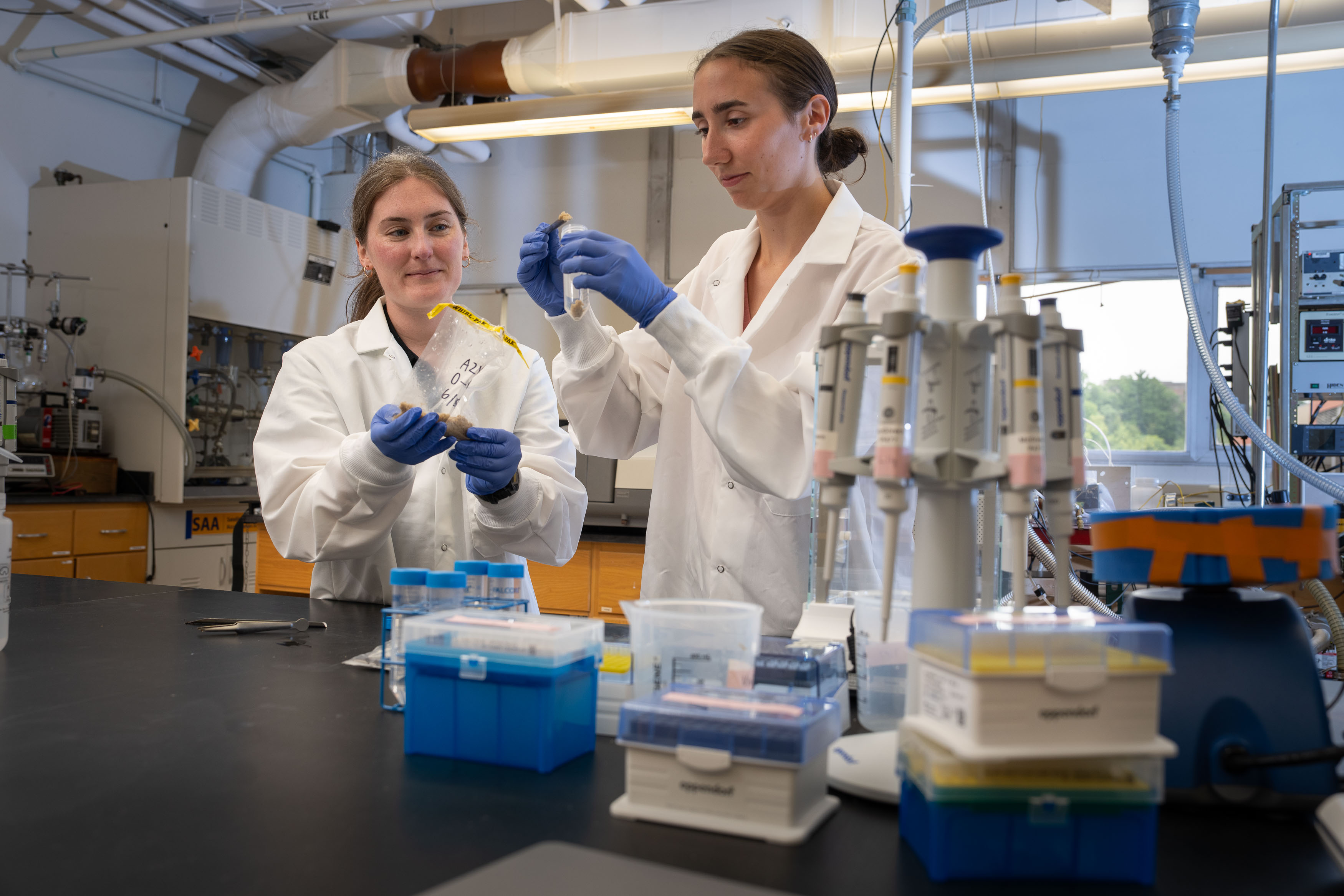
Research this summer at the University of Wisconsin-Eau Claire is working to change that as Dr. Bridget McGivern, assistant professor of chemistry and biochemistry, and her team uncover new information about the microorganisms present in the rich, moist dirt and sand beneath cranberry plants.
Sections

Dr. Bridget McGivern, assistant professor of chemistry and biochemistry


Alena Donahue, a biochemistry/molecular biology major, began testing soil samples last winter.
For the media
For the media
Image download
You may also like

A new certificate at UW-Eau Claire will equip Blugold graduates as well as practicing teachers with a license endorsement to teach in dual language classrooms in the state.

The UW-Eau Claire Wind Symphony has been invited to play in the showcase performance for the March 2027 New York Wind Band & Orchestra Festival at historic Carnegie Hall.
“The Small and the Mighty: Chippewa Valley” exhibit is on display through Oct. 30 and ties together local and U.S. history through archival research of four area women who attended or taught at UW-Eau Claire.