ID
Authored on
UW-Eau Claire awarded $10 million Workforce Innovation Grant to expand rural healthcare workforce across state
Published on:
Intro text

The University of Wisconsin-Eau Claire has been awarded a $10 million Workforce Innovation Grant from the Wisconsin Department of Workforce Development to expand efforts to address healthcare workforce shortages across rural Wisconsin.

The four-year award builds on UW-Eau Claire's previous $9.4 million WIG, which increased educational capacity to serve high-demand fields in rural areas, strengthened partnerships and created pathways into community-sustaining careers.

Through this new grant, UW-Eau Claire will launch the Rural Health Workforce Innovation Initiative, a comprehensive effort focused on strengthening healthcare workforce pathways, expanding educational capacity, advancing innovation and improving access to care throughout rural Wisconsin.

The $10 million grant is subject to annual funding availability and review by DWD.

Sections

“This is a watershed moment for UW-Eau Claire, our partners and communities across western Wisconsin,” Chancellor Edwin Martini says of the state’s investment in the university and its initiative. “I believe universities like UW-Eau Claire have an obligation to address the most pressing needs of the regions we serve, and past state grants have shown how impactful the expertise of our students, faculty and staff is for rural communities. The Rural Health Workforce Innovation Initiative creates new capacity to build on our collaborations with leading health organizations, entrepreneurs and community groups dedicated to advancing healthcare in Wisconsin.”

A headshot of Chancellor Martini
Chancellor Edwin Martini

Healthcare workforce shortages remain one of the greatest pressures Wisconsin communities are encountering, particularly in rural areas. The demand for nurses, rehabilitation professionals, medical imaging specialists, speech-language pathologists, long-term care leaders and other healthcare professionals continues to outpace supply throughout much of the state, particularly as Wisconsin’s population ages.

"Rural healthcare workforce shortages are among the most significant challenges facing Wisconsin communities," says Dr. Carmen Manning, dean of UW-Eau Claire's College of Health and Human Sciences, principal investigator for the grant and leader of the university's Health Education Initiative. "This investment allows us to strengthen students’ entire pathway, from introducing them to exciting fields to preparing them for advanced practice, creating leaders and innovators to help communities meet changing healthcare needs."

Headshot
Dr. Carmen Manning, dean of the College of Health and Human Sciences, principal investigator for the grant and leader of the university's Health Education Initiative

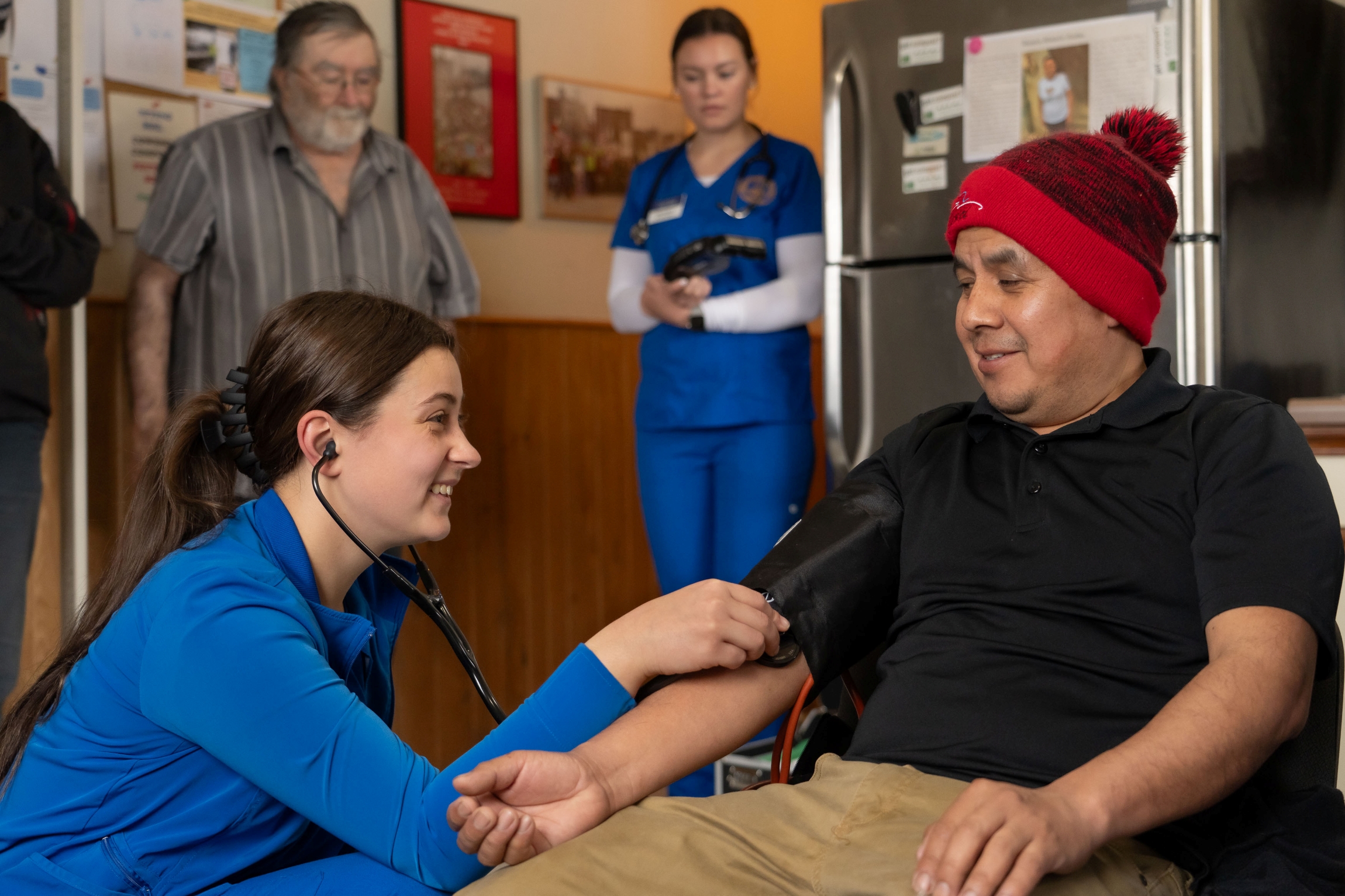
The project will expand opportunities for rural students through health career exploration, summer learning experiences and partnerships with Wisconsin Area Health Education Centers and school districts.

Critically, the initiative continues UW-Eau Claire's commitment to expanding nursing education. The university's previous WIG helped increase annual nursing graduates at UW-Eau Claire from 81 to 129. Through this new award, UW-Eau Claire will pursue the goal of annually graduating 170 nurses per year by 2030.

“This grant allows us to expand nursing capacity and prepare more nurses to meet Wisconsin's needs and improve access to care, especially in underserved areas,” says Dr. Kristen Abbott-Anderson, dean of the College of Nursing. “We are excited about this wonderful opportunity to engage our students in enhancing the health of our communities.”

Dean Kristen Abbott-Anderson
Dr. Kristen Abbott-Anderson, dean of the College of Nursing

A defining feature of the RHWII is its partnership with the 900 District, the emerging health, education, innovation and wellness ecosystem located in the former Sacred Heart Hospital in Eau Claire, positioning the collaboration to identify opportunities unique to Wisconsin’s biomedical innovation ecosystem.

Through this partnership, students, faculty, healthcare professionals, entrepreneurs and community organizations will collaborate on innovative programs designed to improve care delivery and population health in rural communities. The 900 District will also serve as a hub for initiatives focused on brain health, wellness screening, professional education and healthcare innovation.

"The 900 District creates opportunities that simply do not exist in most communities," Manning says. "By bringing together education, healthcare, innovation and community partners in one ecosystem, we can create learning experiences, pathways and solutions that make a lasting impact throughout rural Wisconsin."

In addition to nursing, the initiative will support new pathways in physical therapy, medical imaging, speech-language pathology and long-term care leadership. The initiative will also encourage new collaborations among healthcare, engineering and technology disciplines, working with entrepreneurs and established leaders in the health industry to innovate leading-edge technologies.

The project will serve communities across west-central and northwestern Wisconsin through collaborations with partners including the UW School of Medicine and Public Health, Mayo Clinic Health System, 900 District, Eau Claire City-County Health Department, True Wellness, Wisconsin Area Health Education Centers and the state’s Cooperative Educational Service Agency 10.

The RHWII builds upon the foundation established through UW-Eau Claire's Health Education Initiative and advances the university's Vision 2030 strategic plan. Together, these efforts reflect the university's commitment to strengthening healthcare education, workforce development, community partnerships and innovation across the region.

For university leaders, the grant reflects the growing recognition of UW-Eau Claire's ability to convene partners, develop innovative workforce solutions and create meaningful impact for Wisconsin communities.

"This grant is ultimately about creating opportunities and improving lives," Manning says. "When rural communities have access to a strong healthcare workforce, everyone benefits. We are grateful for the state's confidence in this work and excited to continue building partnerships that will strengthen Wisconsin for years to come."

For the media
For the media
Image download