
ID

Artistry, advocacy, adventure: Olivia Bishop’s global memory
Authored on
Artistry, advocacy, adventure: Olivia Bishop’s global memory
Published on:
Intro text
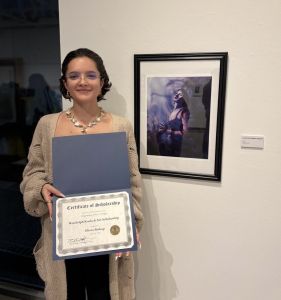
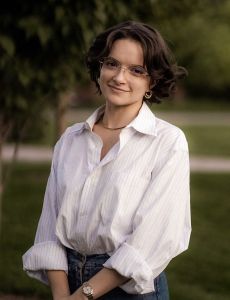
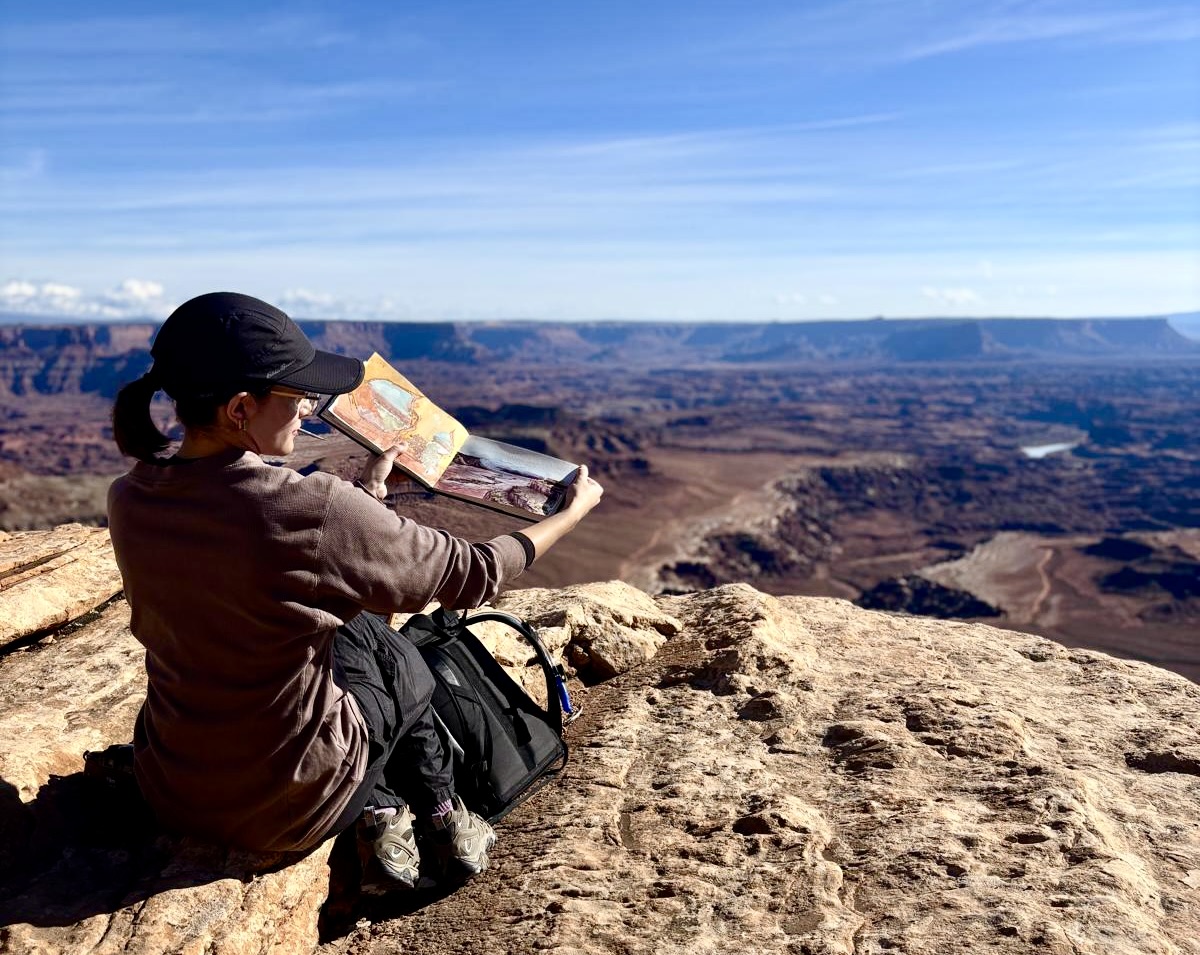
It would be fair to guess that most University of Wisconsin-Eau Claire students have lived in one, two or maybe three towns throughout their childhood. Recent graduate Olivia Bishop, however, was raised in six different countries before they turned 18, living a childhood of travel, exploration and piecemeal memories.
Sections


For the media
For the media
Image download
You may also like
Cate Quarders is one of 25 recipients of the 2026 Pedro Zamora Young Leaders Scholarship after bringing reproductive health resources to UW-Eau Claire – Barron County.
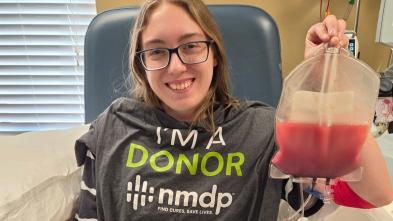
The nationally recognized Goldwater Scholar and All-American gymnast chose to carve out time from her busy schedule to fly to Kansas City, Missouri, and donate peripheral blood stem cells for a cancer patient on Sept. 1.
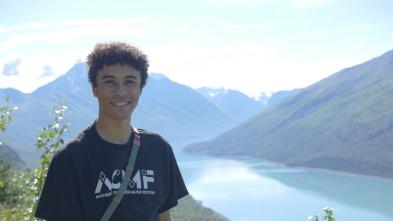
For senior music composition major Devondre Jaquish, the chance to fine tune his violin skills at an exclusive summer intensive in Alaska built stronger composition skills as well.